Brake Repair in Kansas City, MO

Brake Repair near Kansas City, MO 64128

Brake Repair in Kansas City, MO

Your brakes are one of the most critical safety systems on your vehicle, and when they’re not working properly, every drive becomes a risk. That’s why I-70 Auto Service provides trusted brake repair in Kansas City, MO for all makes and models. From routine inspections to complete brake system overhauls, we ensure your vehicle can stop quickly and safely in any situation.

Why Brake Maintenance is Crucial

Brakes experience constant wear with every trip you take, especially in stop-and-go traffic. Over time, components like brake pads, rotors, and calipers can wear down or fail, reducing stopping power. Staying on top of brake maintenance not only keeps you safe but can also save money by preventing more expensive repairs.

Warning Signs You Shouldn’t Ignore

If you notice squealing, grinding, or pulsations when pressing the brake pedal, it’s time for a professional inspection. Other symptoms include a spongy pedal feel, increased stopping distances, or a brake warning light on your dashboard. Ignoring these signs can lead to dangerous situations and costly damage to your braking system.

Comprehensive Brake System Service

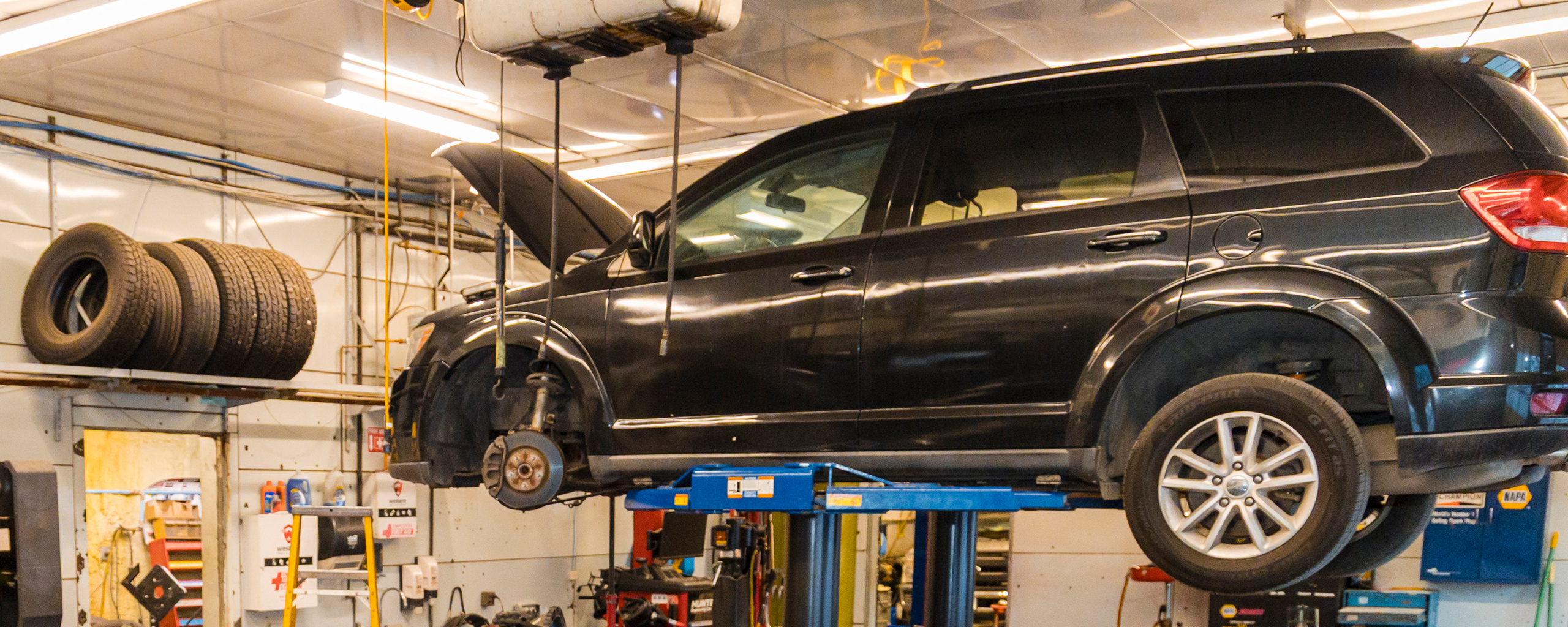
At I-70 Auto Service, our brake repair process begins with a thorough inspection of pads, rotors, calipers, hoses, and fluid levels. If replacement parts are needed, we use quality components designed for reliability and long life. Our team also checks for hidden issues such as uneven wear or hydraulic problems to make sure your brakes perform their best.

The Importance of Brake Fluid

Brake fluid plays a vital role in transferring force from the pedal to the brake components. Over time, it can absorb moisture, leading to reduced braking efficiency and corrosion inside the system. Flushing and replacing the fluid at regular intervals can keep your brakes responsive and extend their lifespan.

Brake Repair Near Me

When you need dependable brake repair in Kansas City, MO, I-70 Auto Service is ready to help. Our combination of expert technicians, advanced tools, and attention to detail means you can drive with confidence, knowing your brakes are in top condition. Schedule your brake service today and keep your stopping power strong for every mile ahead.

Your brakes may need attention if you hear squealing or grinding noises, feel vibrations when stopping, notice a soft brake pedal, experience longer stopping distances, or see a brake warning light on the dashboard. While some symptoms may indicate normal brake wear, others could point to more significant problems. A professional brake inspection can help determine the cause and identify any repairs needed to keep your vehicle operating safely.
Squealing brakes are often caused by worn brake pads or built-in wear indicators that signal it’s time for service. Grinding noises may indicate that the brake pad material has worn away completely, allowing metal components to contact each other. Because continued driving can lead to additional damage, unusual brake noises should be inspected as soon as possible.
Vibration or shaking during braking may be caused by uneven brake rotors, worn suspension components, loose steering parts, or even tire-related issues. The severity and speed at which the vibration occurs can provide helpful diagnostic clues. A complete brake inspection can determine whether the issue is within the braking system or another component affecting vehicle stability.
A brake pedal that feels soft or spongy may indicate air in the brake lines, low brake fluid, a hydraulic leak, worn brake components, or a problem within the master cylinder. Since the braking system relies on proper hydraulic pressure to stop your vehicle safely, changes in pedal feel should never be ignored. A professional inspection is recommended before continuing to drive.
Brake wear varies depending on your driving habits, vehicle type, traffic conditions, and the roads you travel. Having your brakes inspected during routine maintenance or tire rotations is a good way to monitor their condition. You should also schedule an inspection anytime you notice unusual noises, warning lights, vibrations, pulling while braking, or reduced stopping performance.
Not all brake noises indicate an immediate safety concern, but they should never be ignored. Squealing may simply mean the brake pads are wearing down, while grinding can indicate more significant wear that may affect braking performance. If braking feels different, stopping distances increase, or loud grinding occurs, it’s best to have the vehicle inspected before continuing to drive.
A technician will inspect the brake pads, rotors, calipers, brake fluid, hydraulic components, hoses, and other related parts for wear or damage. They may also check pedal feel, measure brake pad thickness, inspect for fluid leaks, and perform a road test if appropriate. A thorough inspection helps identify worn components early and ensures any repair recommendations are based on the overall condition of the braking system.