
Turbo Repair in Kansas City, MO

Turbo Repair near Kansas City, MO

Turbo Repair in Kansas City, MO

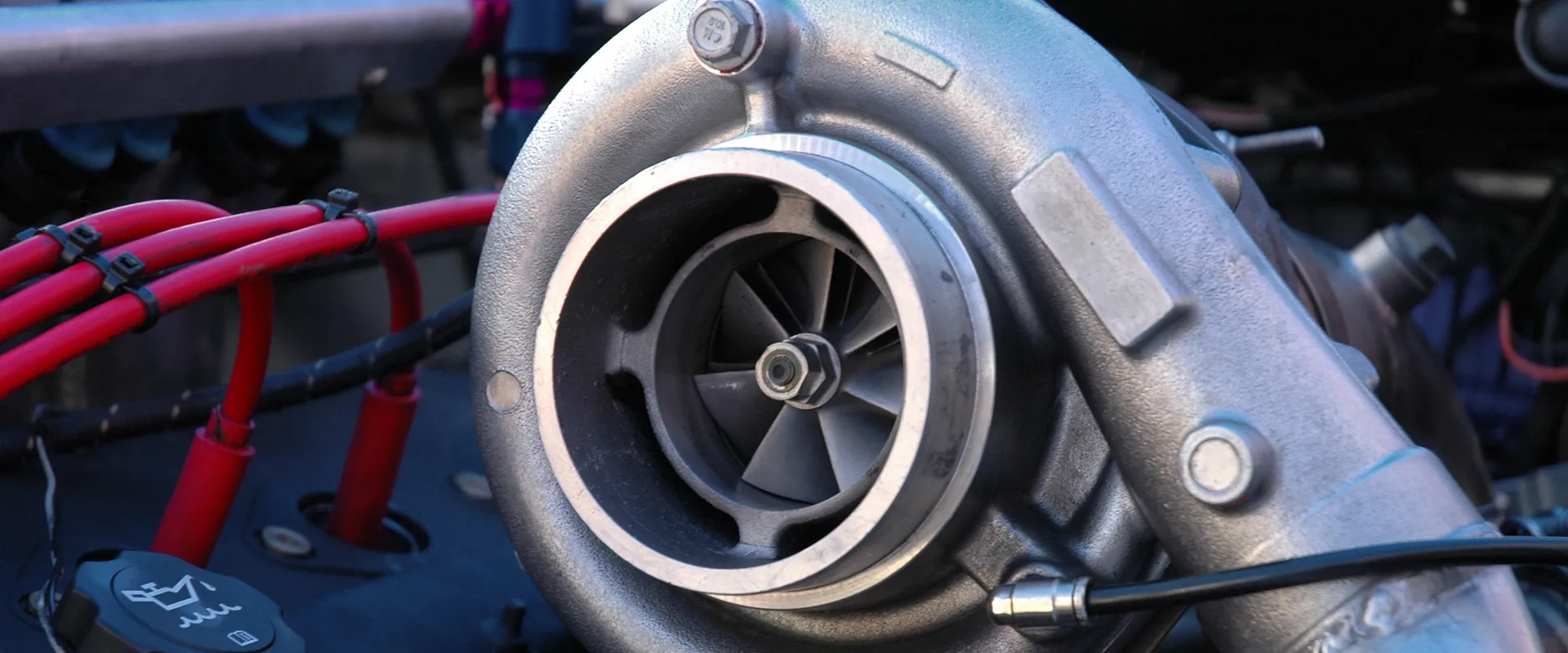
Turbo repair requires more than replacing parts and hoping the boost comes back. I-70 Auto Service starts with a complete look at the system, including intake plumbing, oil supply, exhaust flow, boost control, and related sensors. A turbocharger depends on clean oil, proper pressure, tight connections, and accurate engine management, so a small issue can create big symptoms. Drivers may notice sluggish acceleration, smoke from the exhaust, a whining noise, a check engine light, or oil residue near the turbo. Our team tracks those clues carefully and explains what we find before any repair moves forward.

Careful Testing for Boost and Oil Problems

Turbo issues often connect to another part of the vehicle, so accurate testing matters. We inspect hoses, clamps, intercooler connections, wastegate function, diverter valves, vacuum lines, and electronic controls that affect boost pressure. We also check for oil leaks and restrictions that can damage a turbocharger if they go unresolved. Kansas City traffic, highway merging, and quick temperature swings can put extra strain on turbocharged engines, especially when maintenance falls behind. Our goal is simple. We identify the cause, help you avoid repeat failure, and recommend the right repair instead of rushing into unnecessary replacement.

Turbo Repair Near Me

A healthy turbocharger helps your engine deliver the response, power, and efficiency it was built to provide. If your vehicle feels down on power, smokes under acceleration, or makes an unusual sound when boost builds, do not ignore it. Early inspection can protect the engine and keep repair options more manageable. Drivers looking for turbo repair in Kansas City, MO can expect straightforward communication, practical recommendations, and careful workmanship from I-70 Auto Service.

Common signs of a turbocharger problem include reduced engine power, slow acceleration, excessive exhaust smoke, whining or whistling noises, increased oil consumption, or a check engine light. Because these symptoms can also be caused by other engine or air intake issues, a professional inspection and diagnostic evaluation are recommended to determine the exact cause before repairs are performed.
A loss of power may occur if the turbocharger is unable to build proper boost pressure. This can be caused by worn turbocharger components, boost leaks, damaged hoses, faulty sensors, exhaust restrictions, or other engine-related issues. Since several systems work together to produce turbocharger performance, accurate diagnostic testing is necessary to identify the source of the problem.
Unusual whining, whistling, or high-pitched noises may indicate worn turbocharger bearings, damaged compressor blades, air leaks, or loose intake components. While some turbochargers naturally produce light operating sounds, noticeable changes in noise should be inspected promptly. Identifying the cause early may help prevent additional damage to the turbocharger or related engine components.
Excessive exhaust smoke can sometimes indicate that oil is entering the intake or exhaust system through worn turbocharger seals. However, smoke may also result from other engine conditions unrelated to the turbocharger. Because the color and operating conditions under which the smoke appears provide important diagnostic clues, a complete inspection is the best way to determine the underlying cause.
If your vehicle experiences a significant loss of power, unusual turbocharger noises, excessive smoke, or warning lights, it’s advisable to have it inspected as soon as possible. Continuing to drive with a developing turbocharger problem may allow additional damage to occur. A technician can evaluate the condition of the turbocharger and related engine systems to determine the appropriate repairs.
A turbocharger inspection may include checking for boost leaks, inspecting intake and intercooler hoses, evaluating oil supply and return lines, scanning for diagnostic trouble codes, inspecting the turbocharger for excessive shaft play or damage, and road testing the vehicle if appropriate. These procedures help determine whether the concern originates with the turbocharger or another engine system.
Following the manufacturer’s maintenance schedule, using the recommended engine oil, changing the oil and filter at the proper intervals, and addressing engine performance issues promptly can help support turbocharger longevity. Regular maintenance helps ensure the turbocharger receives proper lubrication while allowing developing issues to be identified before they become more significant repairs.