
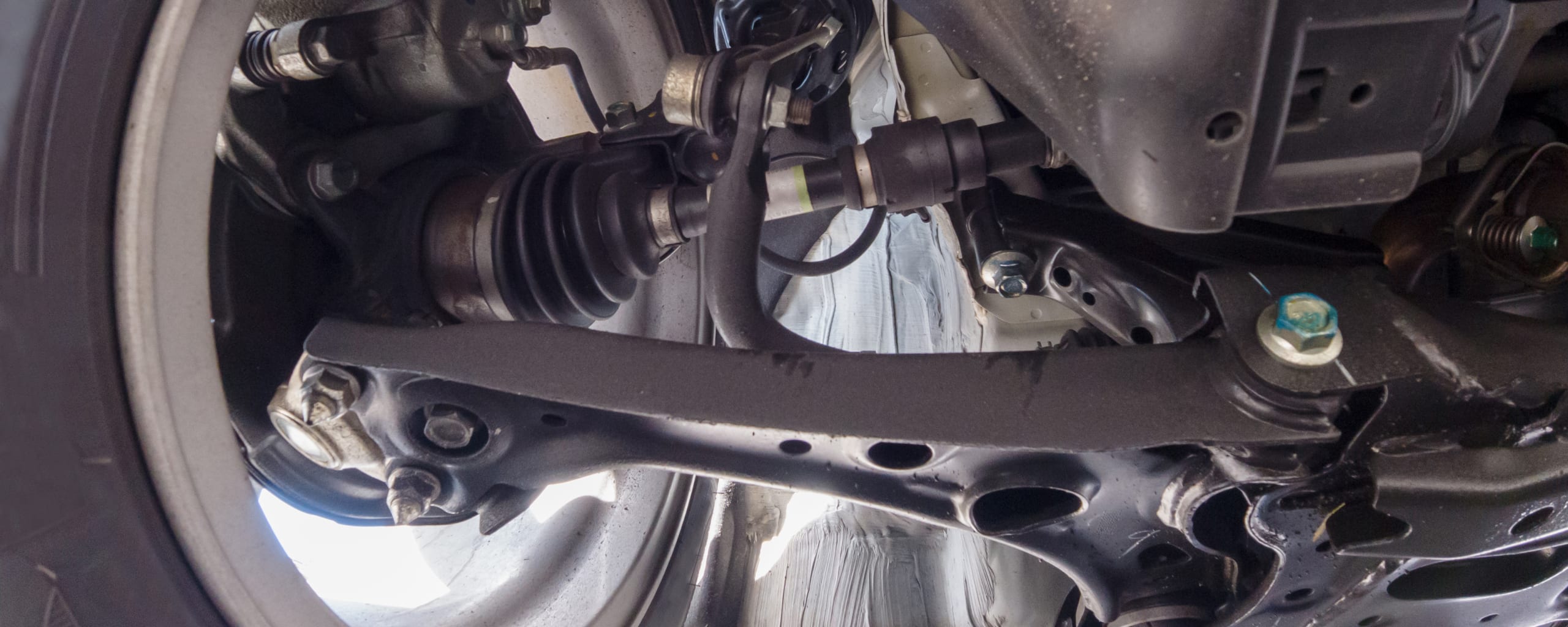
Steering Repair in Kansas City, MO

Steering Repair near Kansas City, MO 64128

Steering Repair in Kansas City, MO

Your steering system is essential for safe handling and precise control of your vehicle. At I-70 Auto Service, we provide expert steering repair in Kansas City, MO for all makes and models. Whether you have traditional hydraulic power steering or a modern electric system, our skilled technicians diagnose and fix issues to keep your driving experience smooth and predictable.

Why Steering System Health Matters

A well-maintained steering system ensures your vehicle responds accurately to your input, allowing for safe maneuvering at any speed. When components begin to fail, it can affect stability, increase tire wear, and compromise your ability to control the vehicle in critical situations.

Warning Signs of Steering Trouble

Common symptoms of steering problems include excessive play in the wheel, stiffness when turning, unusual noises, or fluid leaks beneath the front of the car. Pulling to one side or vibrations while driving can also indicate an issue that needs immediate attention. Ignoring these signs can lead to unsafe driving conditions and further damage.

Comprehensive Steering System Service

Our steering repair process begins with a detailed inspection of components such as the steering rack, tie rods, power steering pump, and associated lines or motors. We use specialized tools to pinpoint the cause of the problem and recommend the right repair, whether that means replacing worn parts, flushing hydraulic fluid, or addressing electronic control issues.

Preventative Maintenance for Longevity

Routine checks and maintenance can help avoid costly repairs. Ensuring the steering fluid is clean, keeping suspension components in good shape, and addressing minor leaks early can extend the life of your system. We also recommend periodic inspections during regular service visits to catch problems before they worsen.

Steering Repair Near Me

If you’re searching for dependable steering repair in Kansas City, MO, I-70 Auto Service is here to help. With experienced technicians, advanced diagnostic tools, and a commitment to safety, we’ll ensure your vehicle handles exactly as it should. Contact us today to schedule your steering service and keep your ride responsive and secure.

Changes in steering performance can be caused by several different components. Common warning signs include difficulty turning the steering wheel, excessive play or looseness, pulling to one side, unusual vibrations, clunking noises while turning, or a steering wheel that doesn’t return to center normally. Because steering directly affects your ability to control the vehicle, any noticeable changes should be professionally inspected to determine the underlying cause.
A steering wheel that becomes hard to turn may be caused by low power steering fluid, a leaking power steering system, a failing power steering pump, worn steering components, or a problem with the electric power steering system on newer vehicles. Since multiple issues can produce similar symptoms, a complete steering system inspection is recommended before replacing any components.
Pulling to one side can be caused by steering system wear, improper wheel alignment, uneven tire pressure, worn suspension components, or tire-related issues. Because several different systems influence how your vehicle tracks down the road, diagnosing the exact cause requires a thorough inspection. Correcting the underlying issue helps improve vehicle handling while reducing unnecessary tire wear.
Clunking or popping noises during turns may be caused by worn steering linkage, ball joints, tie rod ends, suspension components, or other front-end parts. The location and timing of the noise often provide valuable diagnostic clues, but additional testing is usually necessary to identify the exact source. Having the steering and suspension inspected early can help prevent additional wear.
Any noticeable change in steering should be taken seriously because it can affect your ability to safely control your vehicle. Increased steering effort, excessive looseness, vibration, or unusual noises may indicate developing problems that should be inspected promptly. If steering becomes significantly more difficult or the vehicle feels unsafe to control, it’s best to avoid driving until it has been evaluated.
A technician will inspect key steering components such as the steering rack, tie rod ends, ball joints, steering linkage, power steering system, and related suspension parts. Depending on your vehicle and the symptoms you’re experiencing, they may also check steering fluid levels, inspect for leaks, perform a road test, and evaluate wheel alignment to accurately diagnose the concern.
Regular vehicle maintenance and routine inspections can help identify steering concerns before they become more serious. Maintaining proper tire pressure, addressing suspension issues promptly, following recommended maintenance schedules, and having your vehicle inspected after striking large potholes or curbs can all help reduce unnecessary wear on steering components and support safe, predictable vehicle handling.