Differential Repair and Rebuild in Kansas City, MO

Differential Repair and Rebuild near Kansas City, MO

Differential Repair and Rebuild in Kansas City, MO

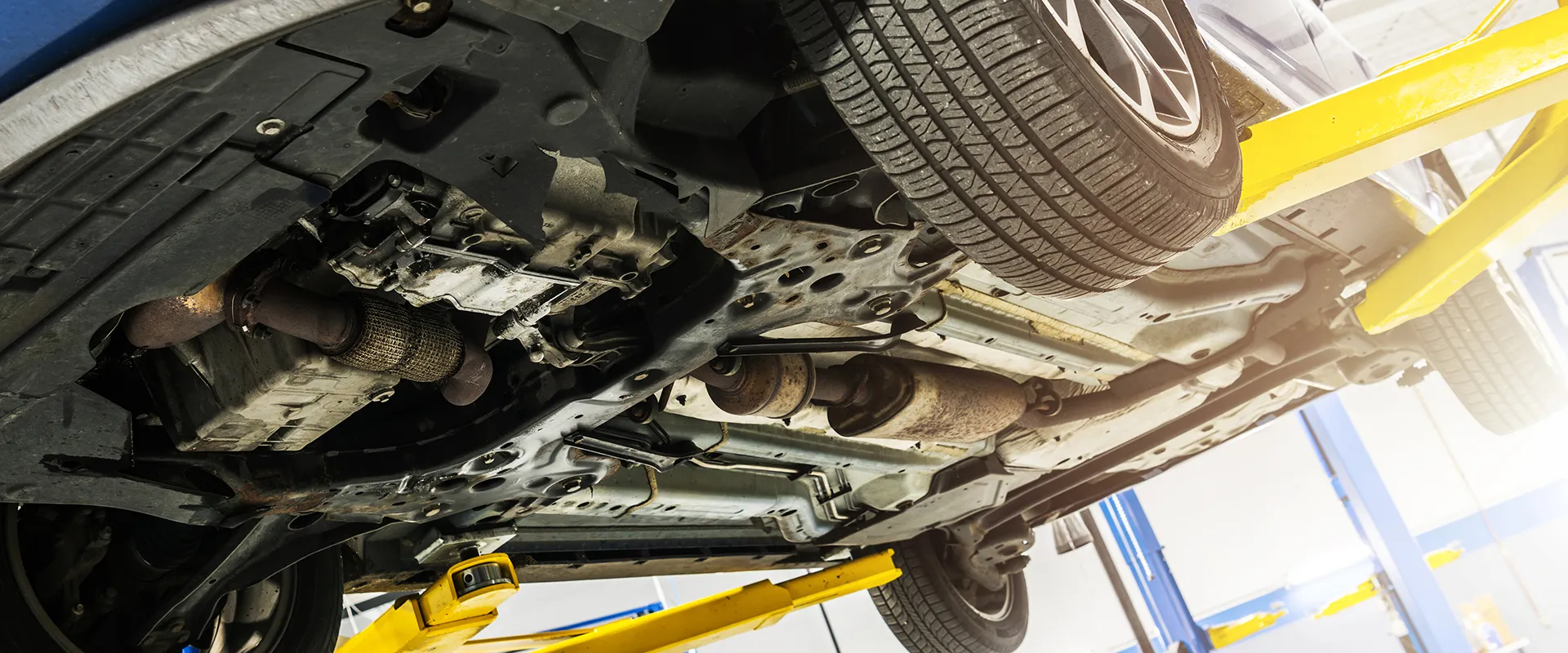
Differential repair and rebuild at I-70 Auto Service starts with a careful look at how your vehicle sends power to the wheels. A differential works under heavy load every time you accelerate, turn, tow, or climb a rough trail, so small issues can turn into bearing damage, gear wear, or axle seal failure when no one addresses them. Our team checks fluid condition, leak points, backlash, carrier bearings, pinion bearings, axle shafts, mounts, and related driveline parts before recommending repair. That process helps us separate a simple seal or fluid concern from a deeper gear setup problem. Kansas City traffic, highway miles on I-70, winter slush, and occasional off-road use can all stress differential components, so we focus on accurate testing instead of guesswork.

We Track Down Gear Noise, Leaks, and Vibration

Different vehicles need different differential work. A rear drive pickup may need pinion bearing attention, while a 4WD or AWD vehicle may have front and rear differential issues that affect handling, traction, and driveline feel. Our technicians listen for whine, rumble, chatter, and clunks, then inspect the fluid for metal, heat damage, and contamination. If a rebuild makes sense, we set up the gears carefully, check bearing preload, verify contact patterns, and confirm the repair before returning the vehicle. This matters even more for trucks, Jeeps, SUVs, and off-road vehicles that run larger tires, pull heavy loads, or crawl over rough ground. Proper differential work protects the axle assembly and helps the vehicle put power down smoothly.

Differential Repair and Rebuild Near Me

When drivers compare options for differential repair and rebuild in Kansas City, MO, I-70 Auto Service gives them a practical path forward. We explain what we found, show how the differential affects the rest of the driveline, and recommend the repair that fits the vehicle’s use, whether it sees highway commuting, towing, or off-road travel. For careful gear inspection, rebuild work, and honest guidance in Kansas City, MO, contact I-70 Auto Service.

The differential transfers engine power to the wheels while allowing them to rotate at different speeds during turns. This is an essential part of your vehicle’s drivetrain and helps provide smooth handling and proper traction. Depending on the vehicle, there may be a front differential, rear differential, or both. Routine inspections and maintenance can help keep the differential operating properly and identify developing issues before they become more serious.
Common signs of differential problems include whining, humming, clunking, or grinding noises, vibrations while driving, difficulty turning, fluid leaks, or unusual tire wear. Some issues may become more noticeable during acceleration, deceleration, or cornering. Because several drivetrain components can produce similar symptoms, a professional inspection is recommended to accurately identify the source of the problem.
Whining or humming noises may be caused by worn gears, damaged bearings, improper gear contact, contaminated differential fluid, or low fluid levels. The noise may change depending on vehicle speed or whether you’re accelerating or coasting. Since several internal components can create similar sounds, diagnosing the issue typically requires a thorough inspection and testing of the differential assembly.
A differential inspection may include checking the differential fluid level and condition, inspecting for leaks, examining the housing and seals, evaluating drivetrain operation during a road test, and listening for abnormal noises. Depending on the symptoms, additional testing may be performed to determine whether the concern involves bearings, gears, limited-slip components, or another part of the drivetrain.
A differential repair typically addresses a specific component, such as replacing a leaking seal, worn bearing, or damaged part. A rebuild involves disassembling the differential, inspecting the internal components, and replacing worn or damaged gears, bearings, seals, and other necessary parts before carefully setting gear clearances to manufacturer specifications. The appropriate repair depends on the condition of the differential and the extent of the wear or damage.
Differential fluid service intervals vary by manufacturer, vehicle type, and driving conditions. Vehicles used for towing, hauling, off-road driving, or operating in severe conditions may require more frequent service than those used for normal commuting. Following the manufacturer’s maintenance schedule and having the differential inspected during routine service can help protect internal components and support long-term drivetrain performance.
Any new drivetrain noise should be inspected as soon as possible. Continuing to drive with a worn or damaged differential may allow additional wear to occur and could eventually affect the vehicle’s drivability. If you notice loud grinding noises, severe vibrations, fluid leaks, or changes in how your vehicle handles, scheduling a professional inspection promptly is recommended to determine the cause and prevent further damage.