Transfer Case Repair in Kansas City, MO

Transfer Case Repair near Kansas City, MO

Transfer Case Repair in Kansas City, MO

For transfer case repair, I-70 Auto Service looks beyond the noise and checks how the full 4WD or AWD system works under load. The transfer case sends power to the front and rear axles, so low fluid, worn bearings, damaged chains, actuator faults, and leaking seals can quickly affect traction and drivability. Our team inspects the fluid condition, checks for external leaks, tests electronic controls when equipped, and listens for the patterns that separate a transfer case concern from a transmission, axle, or driveshaft issue. That careful process helps you avoid guesswork and gives you a repair plan that fits the vehicle, the failure, and your driving habits around Kansas City.

Clear Answers for 4WD and AWD Problems

Transfer case issues often show up as clunks, vibration, delayed engagement, grinding during shifts, or a warning light related to the 4WD system. Some vehicles act up only after highway driving, while others bind during tight turns or struggle after trail use, snow, mud, or boat ramp launches. We work on daily drivers, work vehicles, and off-road capable vehicles that need dependable traction when pavement conditions change. If your transfer case needs fluid service, seal replacement, actuator testing, chain inspection, or internal repair, we explain what we found in plain language before any work begins.

Transfer Case Repair Near Me

A healthy transfer case protects more than convenience. It helps the vehicle transfer torque smoothly, reduces strain on related drivetrain parts, and keeps 4WD or AWD operation ready when roads get slick or uneven. Our approach favors accurate diagnosis first, then practical repair options based on the vehicle’s condition and use. Drivers searching for transfer case repair in Kansas City, MO can count on I-70 Auto Service for focused drivetrain testing, honest guidance, and repairs built around real-world driving.

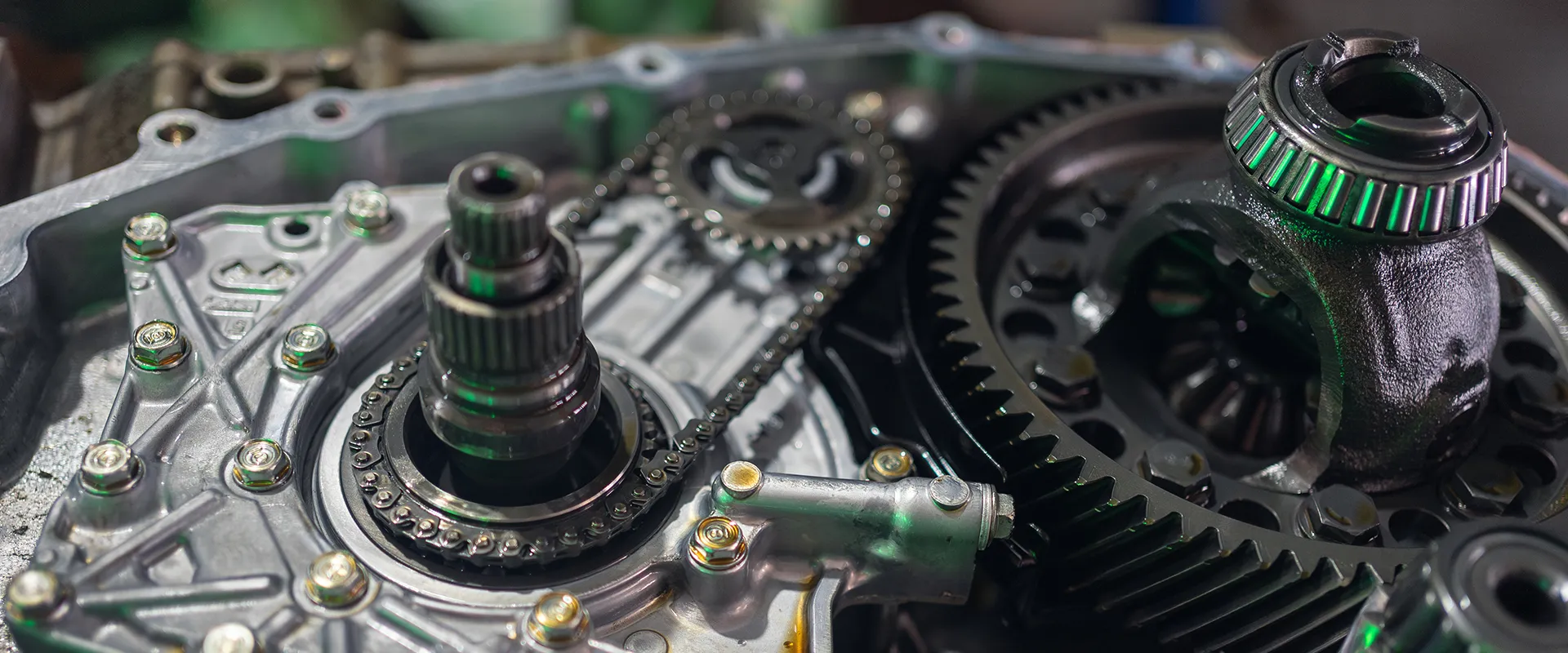
The transfer case is an important part of a four-wheel drive (4WD) or all-wheel drive (AWD) vehicle. It transfers power from the transmission to the front and rear axles, allowing all four wheels to receive power when needed. Depending on the vehicle, the transfer case may also provide high and low gear ranges for improved traction in challenging driving conditions. Regular maintenance helps keep this system operating properly.
Common signs of transfer case problems include difficulty shifting into or out of four-wheel drive, unusual grinding, whining, or clunking noises, fluid leaks, vibrations while driving, warning lights, or a four-wheel drive system that does not engage properly. Because several drivetrain components can create similar symptoms, a professional inspection is the best way to identify the source of the problem.
A four-wheel drive system may fail to engage because of transfer case wear, electronic control issues, damaged shift mechanisms, faulty actuators, low or contaminated transfer case fluid, or problems elsewhere in the drivetrain. Since both mechanical and electronic components work together to operate the system, accurate diagnostic testing is necessary to determine the exact cause before repairs are performed.
Transfer case fluid leaks can develop from worn seals, damaged gaskets, loose fittings, or housing damage. Low fluid levels may reduce lubrication and increase wear on internal gears, bearings, and other components. Having fluid leaks inspected early can help protect the transfer case and prevent more extensive drivetrain repairs from developing over time.
A transfer case inspection may include checking the fluid level and condition, inspecting for leaks, examining the driveshafts and related drivetrain components, testing four-wheel drive operation, scanning for diagnostic trouble codes when applicable, and road testing the vehicle. These steps help determine whether the concern originates in the transfer case or another component within the drivetrain.
Service intervals vary depending on your vehicle manufacturer, driving habits, and operating conditions. Vehicles that frequently tow, travel off-road, or operate in severe conditions may require more frequent fluid service. Following the manufacturer’s maintenance schedule and having the transfer case inspected during routine service can help support long-term reliability and drivetrain performance.
If your vehicle develops drivetrain noises, fluid leaks, difficulty engaging four-wheel drive, vibrations, or warning lights related to the drivetrain, it’s best to have it inspected promptly. Continuing to drive with a transfer case problem may increase wear on internal components and other parts of the drivetrain. Early diagnosis can help identify the issue before more extensive repairs become necessary.